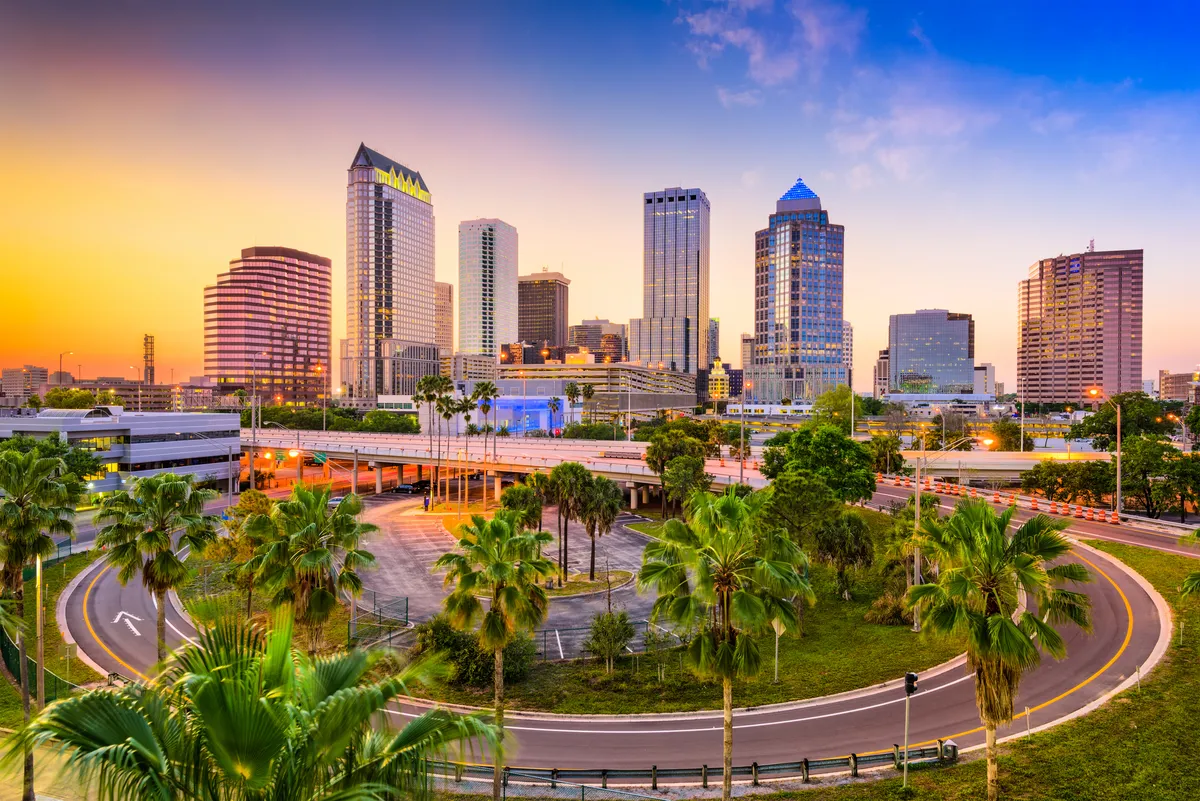
Temple Terrace sits directly against the University of South Florida, and that proximity shapes nearly everything that trades commercially here: medical office serving USF Health, multifamily leased partly to graduate students and staff, and retail that leases up along Fowler Avenue's steady traffic. A 1031 exchange out of any of that has its own underwriting quirks tied to the university's presence.
A Small City Living in USF's Shadow
Sellers in Temple Terrace are frequently exiting multifamily property with a lease structure that leans on USF's academic calendar, or medical office space tied to the university's health system tenants nearby. That proximity has kept occupancy relatively stable over a long period, which means the appreciation on these holdings tends to be steady rather than the sharp escalation seen in some newer suburban submarkets. The exchange planning here is less about racing a hot market and more about correctly identifying a replacement property with a comparable income profile.
The Product Types Institutional Proximity Creates
The categories we source against most for Temple Terrace exchanges:
- Multifamily and student-adjacent housing near Fowler Avenue and USF's main campus
- Medical and dental office space serving USF Health-affiliated tenants
- Small retail centers along Fowler Avenue and 56th Street
- Self-storage serving the surrounding rental population
Because so much of the local tenant base is tied to the university in one way or another, a replacement property elsewhere still needs its own independent underwriting rather than an assumption that USF-adjacent stability carries over automatically. A small pocket of light industrial and flex space near the Fowler Avenue and I-75 interchange also trades occasionally, serving contractors and service businesses that support the surrounding institutional and residential base, and it is worth including on a broader identification list even though it isn't the area's primary draw.
Underwriting Student-Adjacent Income on a Deadline
A multifamily property leased partly around an academic calendar has income that looks different in August than it does in May, and identifying a comparable replacement property within 45 days means pulling enough trailing history to understand that pattern rather than judging the property off a single month's rent roll. We treat this as a documentation-assembly problem to solve in the first two weeks of the identification window.
A Tight Geographic Search Radius
Temple Terrace's replacement inventory is genuinely limited by the size of the city itself, so sellers who want to stay close to USF's orbit often end up looking at neighboring Tampa neighborhoods like the University area or Forest Hills as part of the same search. That widening doesn't threaten the exchange since there's no requirement to stay within city limits, but it does mean the identification list should include those adjacent options from the start rather than as a fallback after the first choice falls through.
Weighing USF-Adjacent Stability Against Broader Tampa Options
A Temple Terrace seller moving proceeds into another USF-adjacent property is betting that the university's enrollment and health system presence keeps producing the same steady demand it has for years, which has generally been a safe bet but is still a concentration a seller should recognize rather than assume away. Multifamily and medical office near a single institution can perform well for a long time, but a change in university enrollment policy, a shift in how USF Health structures its clinical space, or new student housing built directly on campus can all affect demand in ways that a diversified Tampa-area portfolio would absorb more easily.
Some Temple Terrace sellers use the exchange to keep the same tenant profile they understand well, simply moving to a comparable building nearby, while others treat it as a chance to diversify into a different part of Tampa entirely, trading the comfort of a familiar tenant base for broader exposure. We walk through both options early in the process, since the decision shapes whether the 45-day identification list stays close to Fowler Avenue or opens up to other Tampa neighborhoods and asset types from the outset.
Common 1031 Exchange Questions
Does student-tenant multifamily income count differently for exchange purposes than regular rental income?
No, the exchange rules don't distinguish based on tenant type. What matters is whether the property is held for investment. Lease structure and seasonality affect how a lender underwrites the income, which is separate from exchange qualification.
Can I identify a replacement property in a neighboring Tampa neighborhood instead of Temple Terrace itself?
Yes. Replacement property location isn't restricted to the same city or even the same state as the relinquished property. Many Temple Terrace sellers identify candidates in adjacent Tampa neighborhoods as part of the same search.
What's the difference between a forward exchange and an improvement exchange if I want to renovate the replacement property?
A forward exchange involves selling first and buying an existing property; an improvement exchange lets exchange funds pay for construction, but all work has to be completed and match the identification within the 180-day period.
How does the qualified intermediary handle a sale with an existing student-housing lease in place?
The QI's role is limited to holding and disbursing the exchange proceeds; the existing lease simply transfers to the buyer as part of the property sale.
What is Form 8824 and when do I file it for a Temple Terrace exchange?
Form 8824 is filed with your federal tax return for the year the relinquished property sold, reporting identified and acquired replacement property. We assemble the closing documentation your tax preparer needs, but the filing itself is handled by your CPA.