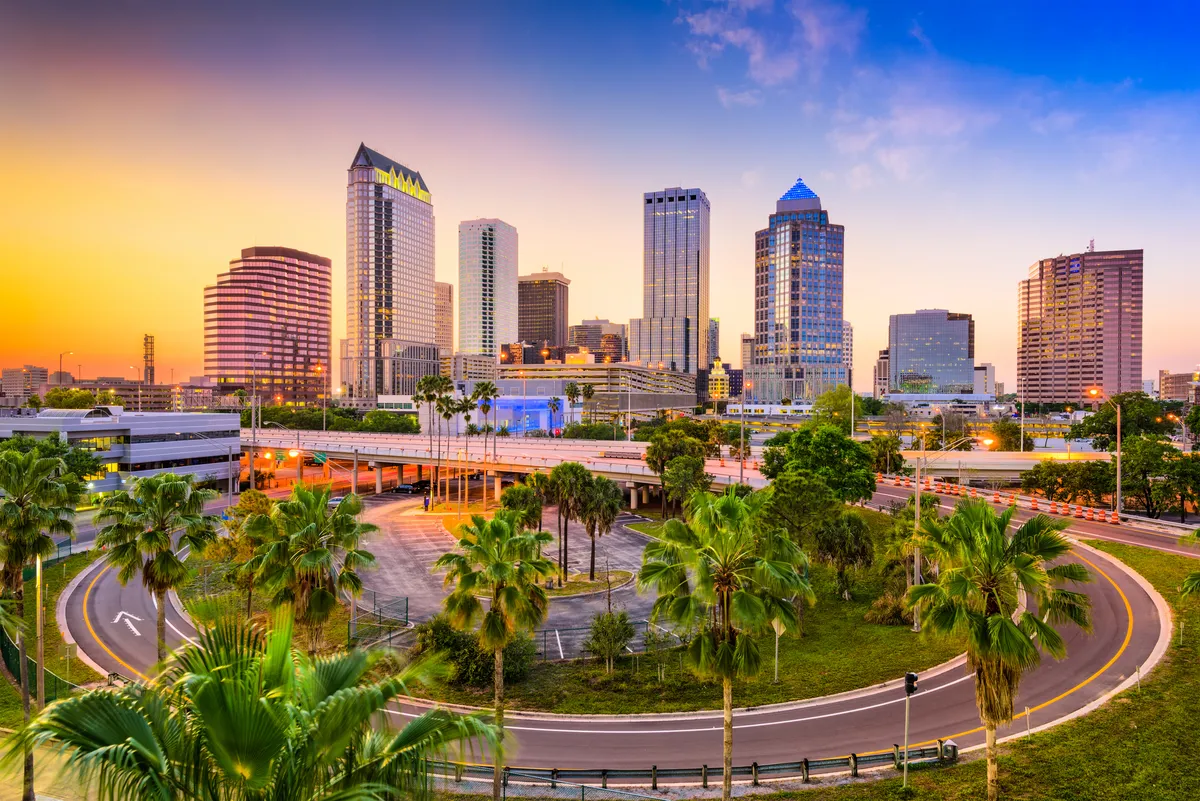
Carrollwood is an established, mostly built-out residential area of unincorporated north Hillsborough County along Dale Mabry Highway, developed in waves from the 1960s through the 1980s around Lake Carroll and the Carrollwood Village neighborhoods, giving the area a settled, low-turnover character. Commercial replacement inventory here is small-format and neighborhood-serving rather than regional, and that character has stayed remarkably consistent even as nearby submarkets have added newer construction.
Small-Format, Not Regional
Carrollwood never developed a mall or big-box retail spine the way Brandon did; instead the corridor is dotted with strip plazas, medical and dental buildings, and small professional office serving the surrounding neighborhoods. That makes it a market for investors comfortable with a single-tenant dental building or a five-unit strip rather than a 60,000-square-foot center. Turnover in this stock is slow; many buildings have been owned by the same family or practice for years, so when one does come to market, it often reflects a retirement or estate sale rather than a distressed or repositioning situation, which usually means a motivated but not desperate seller willing to negotiate reasonably on price and timing.
- Dental and medical office suites near Dale Mabry Highway
- Small neighborhood retail strips with three to six tenants
- Professional office condos and small standalone buildings
- Service-commercial space serving the residential base directly around it
Dale Mabry Highway and Gunn Highway Access
Visibility along Dale Mabry Highway and Gunn Highway drives most of the leasing activity here, and a building set back from either road usually leases and sells for meaningfully less than a comparable one on the frontage. Because so much of the stock dates to the 1970s and 1980s, roof age, HVAC condition, and parking counts deserve more attention in underwriting than they would in a newer submarket like Lutz.
Tenant quality and remaining lease term often matter more here than headline rent, since a below-market lease with a stable long-term dental practice can be worth more to an exchanger than a higher rent with a tenant close to renewal. Parking is also a real constraint in Carrollwood's older plazas, many of which were built to 1970s parking-ratio standards that don't always meet current code for a change of tenant, so confirming whether an existing count is grandfathered is worth doing before a building enters a replacement search.
Identification Timing for Smaller Assets
Smaller Carrollwood buildings can be harder to comp than a large retail center, since two similar-looking plazas half a mile apart may have very different tenant rosters and deferred maintenance. That makes early inspection important within the 45-day identification window, particularly for anything built before 1990, so financing and insurance underwriting aren't discovering roof or HVAC issues after the property is already on the written identification.
Westchase and Lutz are close enough geographically to serve as backup candidates on the same list if a Carrollwood building falls through in diligence. A three-property list drawing from all three areas also gives a broker room to negotiate on price without the investor feeling locked into a single seller once the 45-day clock is running. Title work on Carrollwood's older plazas sometimes surfaces easements or shared-parking agreements dating back to the original 1970s or 1980s subdivision of the property, and those should be reviewed well before closing rather than assumed to be standard.
Working With the QI on a Single-Asset Trade
A single small building is a common Carrollwood trade structure, and the qualified intermediary process works the same regardless of deal size: proceeds from the relinquished sale go to the QI, not the seller, and the replacement identification has to be in writing before day 45. This page describes how that process runs locally; investors should confirm boot exposure and basis treatment with their own CPA before signing a purchase contract. Because Carrollwood assets are often priced under a million dollars, some investors assume the exchange process is informal at that size, but the same written 45-day identification and 180-day closing requirements apply regardless of the purchase price.
Common 1031 Exchange Questions
What kind of replacement property is typical in Carrollwood?
Most Carrollwood inventory is small-format: single dental or medical buildings, three-to-six-tenant strip plazas, and small professional office condos rather than large regional centers, since the corridor never developed big-box anchors.
Why does building age matter more in Carrollwood than in newer submarkets?
Much of the commercial stock along Dale Mabry Highway dates to the 1970s and 1980s, so roof condition, HVAC age, and parking counts need closer inspection than they would in a newer area like Lutz.
Is Carrollwood a good fit for a small exchange budget?
Yes. Because most assets here are single small buildings rather than large centers, Carrollwood suits investors exchanging into one or two smaller replacement properties rather than a large multi-tenant acquisition.
What backup markets pair well with a Carrollwood identification?
Westchase and Lutz sit close enough geographically that they're commonly listed alongside a Carrollwood candidate to give a three-property identification real alternatives, and the mix of an established and a growing submarket can balance stability against upside.
Does a small single-building trade still require a qualified intermediary?
Yes. The QI requirement and the 45-day and 180-day deadlines apply regardless of deal size; a single dental building follows the same exchange mechanics as a large shopping center.