Multifamily replacement sourcing has to reconcile two very different Tampa products at once: new high-rise units near Water Street and Channelside, and older garden-style communities scattered through the suburban ring. An exchanger only has 45 days to pick, so the comparison needs to happen fast and in the right order.
Water Street Product Against Suburban Garden Communities
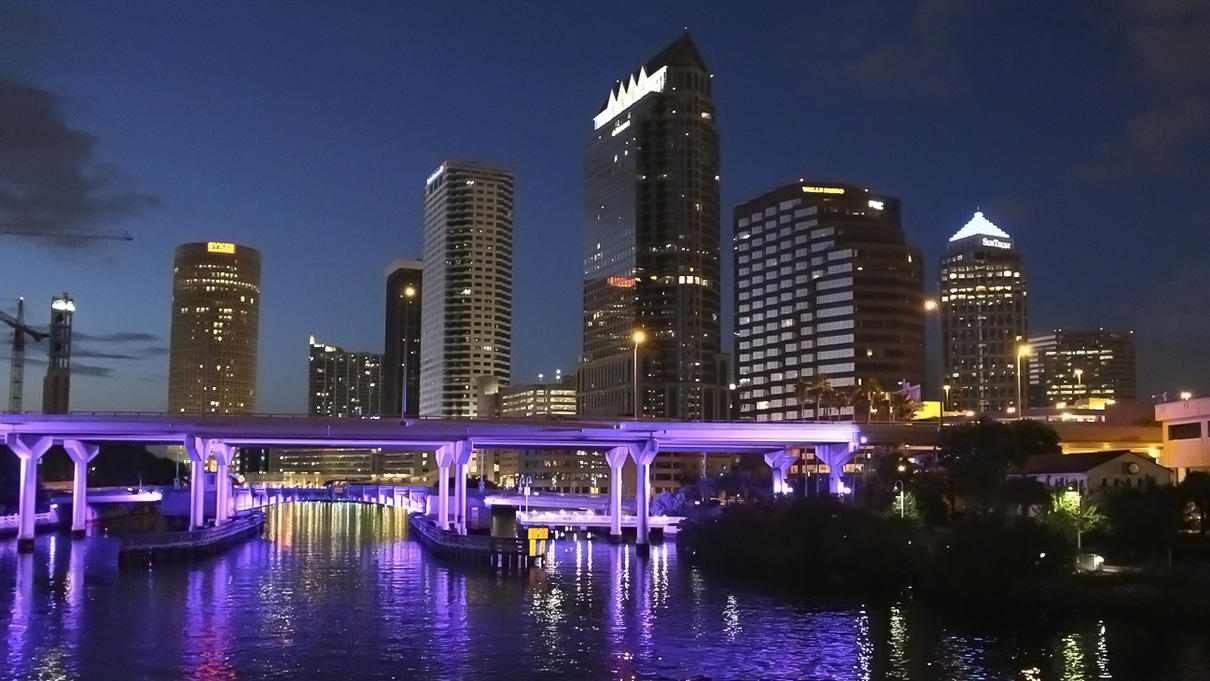
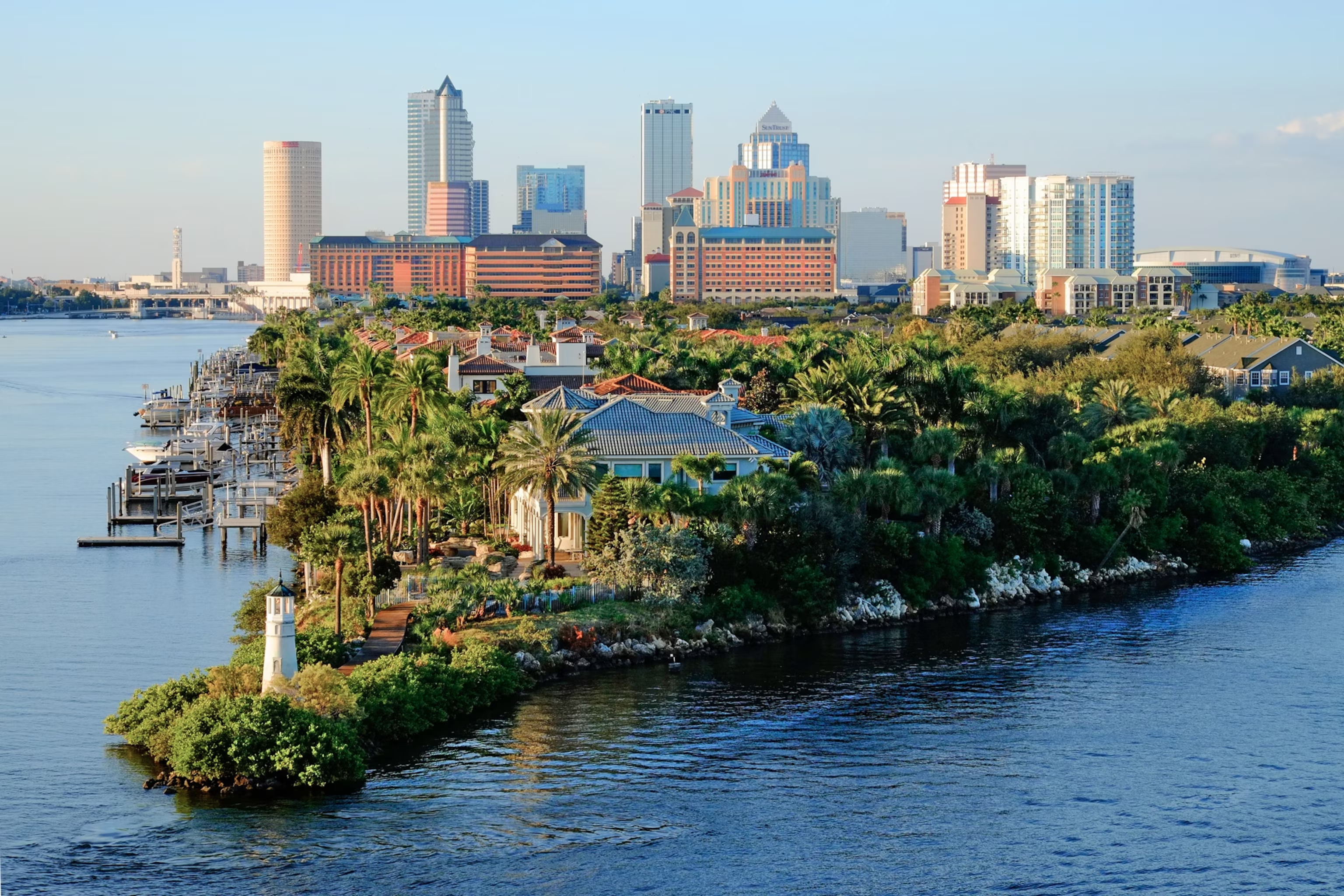
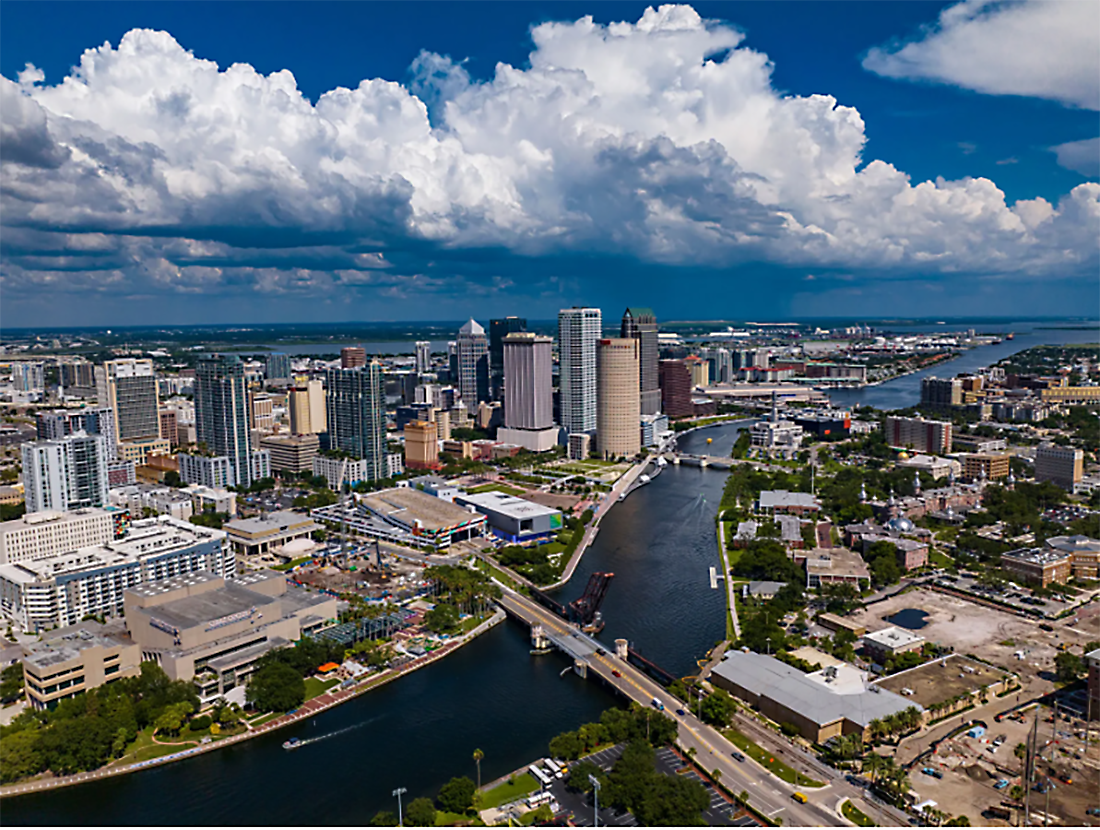
Downtown high-rise multifamily near Water Street and Channelside trades on new construction, amenity package, and rent growth story, often at a compressed cap rate that assumes continued downtown demand. Suburban garden apartments in areas like Brandon, Carrollwood, or New Tampa trade closer to replacement cost, with older mechanical systems but a wider buyer pool and, usually, an easier debt assumption or refinance.
An exchanger moving out of a fully depreciated older property into new downtown product is taking on a different depreciation schedule and a different tenant demographic than one rolling equity into another suburban asset. Coordination work lays both paths out side by side before the identification list is finalized, rather than assuming one is automatically the better fit.
Reading the Rent Roll and T12 Before Identifying
Multifamily income only means as much as the paper behind it. Coordination work pulls the current rent roll and trailing twelve-month operating statement together and checks them against each other line by line, because a pro forma rent that has never actually been collected is not the same thing as verified income.
- Actual collected rent by unit against advertised or pro forma rent
- Renewal rate and unit turnover over the trailing twelve months
- Insurance premium trend, since carrier costs have moved sharply across the Tampa Bay area
- Property tax reassessment risk following a change in ownership
- Deferred maintenance on roofs, HVAC, and plumbing systems
Insurance Exposure Across Tampa Bay Multifamily
Wind and flood insurance underwriting is now a bigger swing factor in multifamily acquisition math than it was a few years ago, particularly for anything near the bay shoreline or in a flood-prone drainage basin. Coordination work requests current declarations pages and loss history early in the 45-day window so a spiking premium does not blow up the financing assumption after a property has already been identified. Exchangers should confirm final premium quotes directly with their own insurance broker before relying on any seller-provided estimate.
Sequencing the 180-Day Closing Against Financing
Multifamily financing, whether agency debt, a bank balance-sheet loan, or a cash-out bridge, moves on its own timeline that does not always match the exchanger's 180-day exchange period. Coordination work keeps the lender's underwriting milestones mapped against the exchange calendar from day one, and treats identification of a backup property under the three-property rule as a normal part of that plan rather than a sign something has gone wrong.
St. Petersburg Crossover Demand and Cap Rate Compression
A share of buyers shopping Tampa multifamily also cross the bay to look at St. Petersburg product, and that crossover shopping can compress pricing on the strongest assets in both markets when the same pool of exchange capital is chasing a limited set of listings. Coordination work watches this crossover pattern when ranking identification candidates, since a Tampa-side property priced against St. Petersburg comparables may carry a tighter cap rate than its own submarket fundamentals would otherwise support.
That does not make the asset a poor choice, but it does mean the exchanger should understand whether the price reflects true local demand or borrowed comparables from across the bay before committing to it as the primary identification.
Common 1031 Exchange Questions
Can a Water Street condo unit be used as multifamily replacement property?
Individually owned condo units are generally treated differently than a whole apartment building for exchange purposes, so this depends on how the property is held and titled. An exchanger should confirm the specific structure with their qualified intermediary and tax advisor before relying on a condo unit as replacement property.
How does rising insurance cost affect the identification decision?
A property with a steep recent premium increase or a lapsed flood policy can change the net operating income enough to affect financing, so coordination work pulls current insurance figures before a property is added to the 45-day identification list rather than after.
Is suburban garden multifamily a safer replacement choice than downtown high-rise product?
Neither is inherently safer; they carry different risk profiles. Garden communities tend to have simpler mechanical systems and a broader resale pool, while downtown product often carries stronger rent growth assumptions and higher operating costs. The right choice depends on the exchanger's hold period and risk tolerance.
What happens if the T12 does not match the rent roll?
A mismatch usually means either concessions, delinquency, or unit-level errors are hiding in one of the two documents. Coordination work flags the discrepancy before identification so the exchanger is not underwriting a number that will not hold up after closing.
Can financing delays push a multifamily exchange past the 180-day period?
The 180-day exchange period is fixed regardless of financing status, so a delayed loan does not extend the deadline. That is why coordination work tracks lender milestones against the exchange calendar from the start and keeps a backup identification available under the three-property rule.
Does a 1031 exchange require replacing both value and debt?
Generally the replacement property needs equal or greater value and debt than the relinquished property, or the exchanger adds cash to offset any reduction in debt. This debt-replacement math should be modeled with a tax advisor before a specific multifamily property is chosen as the primary identification.